Project · 01
Human Cochlear Tissue Models
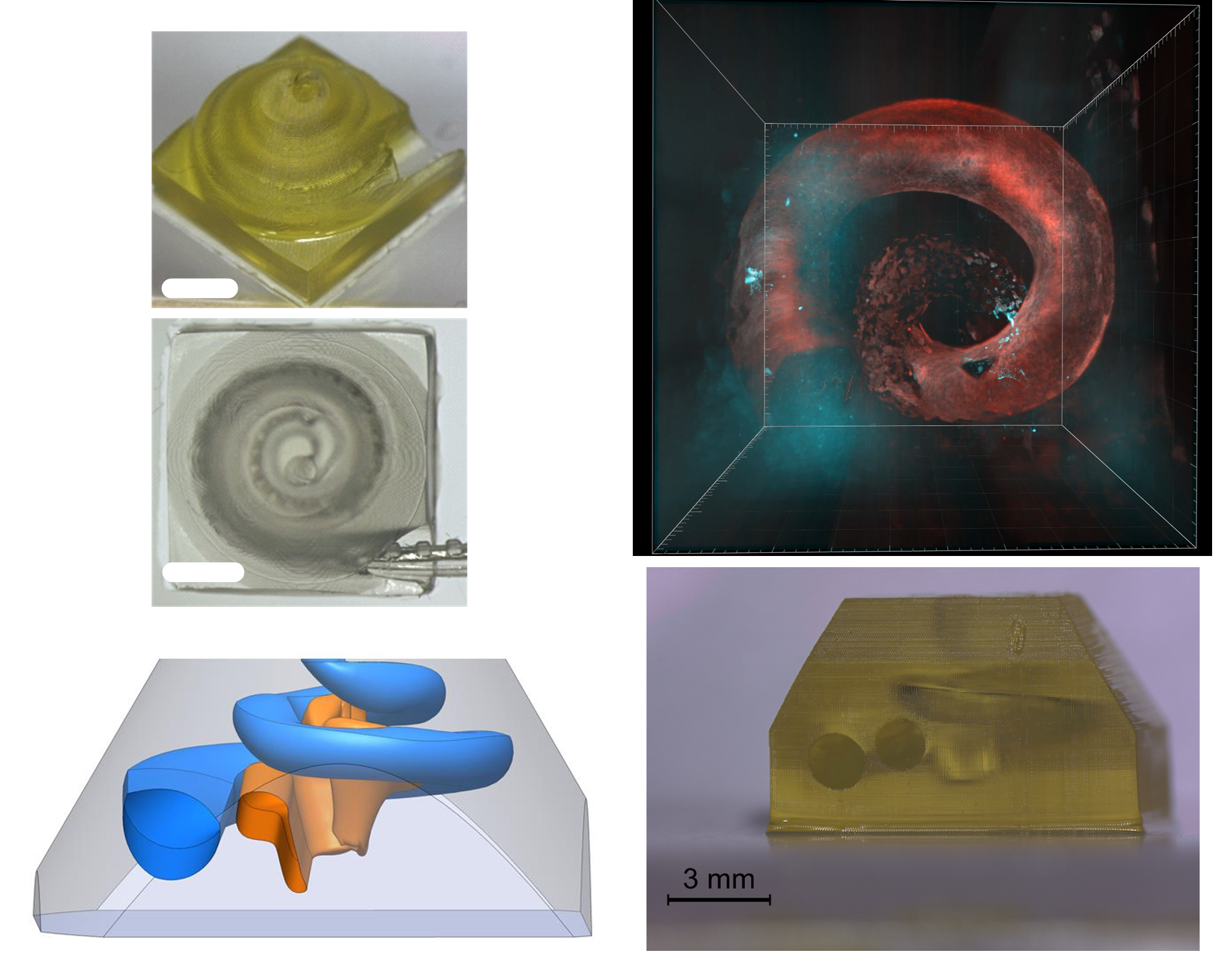
Anatomically realistic 3D-printed scala tympani models for testing and evaluating cochlear implant electrodes.
Tissue Engineering & Neuroprosthetics: engineering human tissue models to advance the evaluation of biomedical technologies.
We engineer biologically relevant human tissue models and biomaterial platforms that accelerate the development, testing, and translation of medical devices and regenerative therapies.
A major focus of the group is the development of models for the human cochlea and neural tissues, enabling improved evaluation of neural prosthetic technologies such as cochlear implants and deep brain stimulation devices. Our work spans tissue engineering, biomaterials science, regenerative medicine, microfluidics, and biofabrication.
"Through interdisciplinary collaborations with clinicians, engineers, and industry partners, we aim to bridge the gap between laboratory research and clinical translation."
From cochlear electrodes to bovine wound care, every project in the lab returns to a single question: how do we build tissue that behaves like the real thing, so that the devices we test on it perform like they will in patients?
Anatomically realistic 3D-printed scala tympani models for testing and evaluating cochlear implant electrodes.
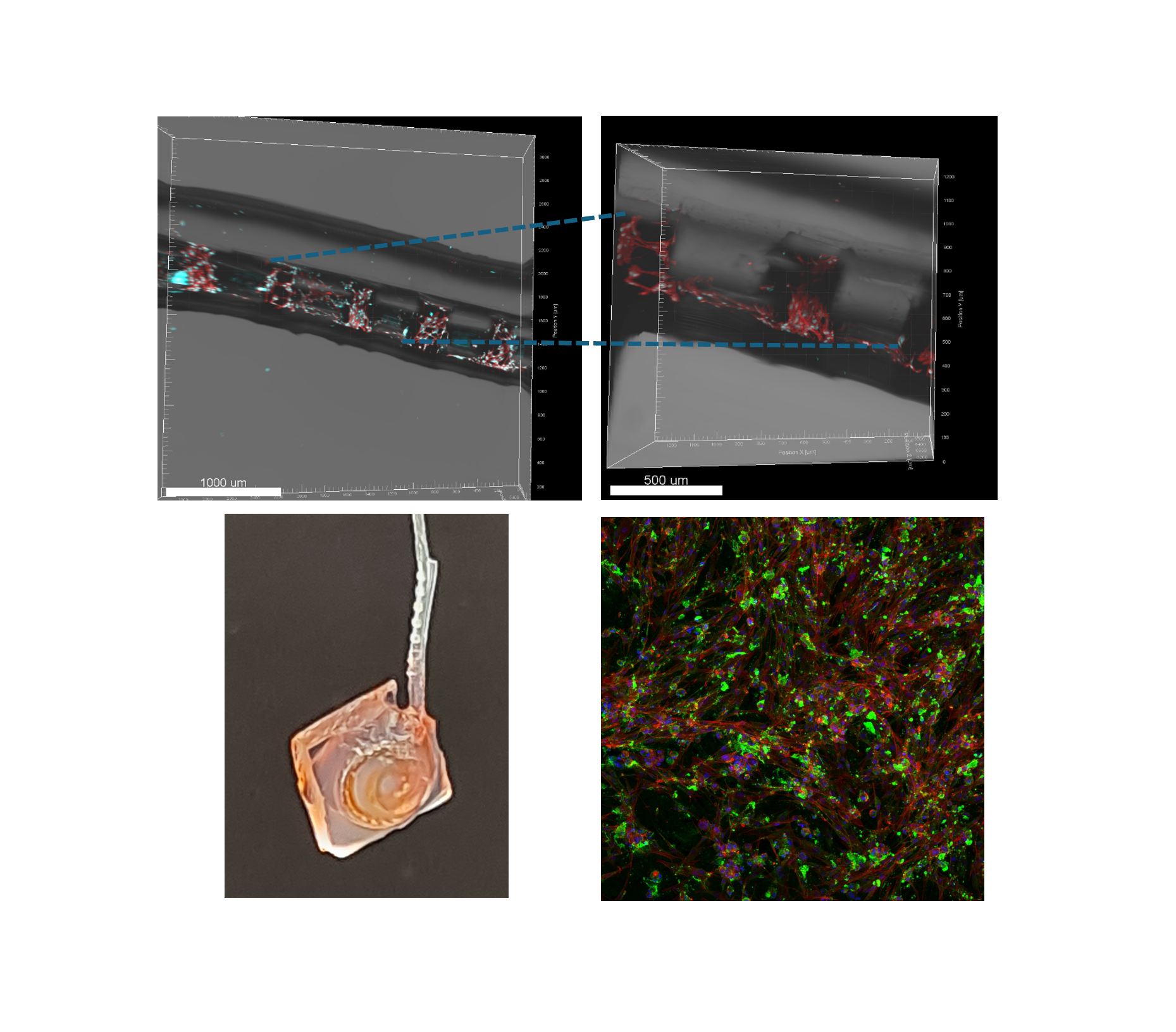
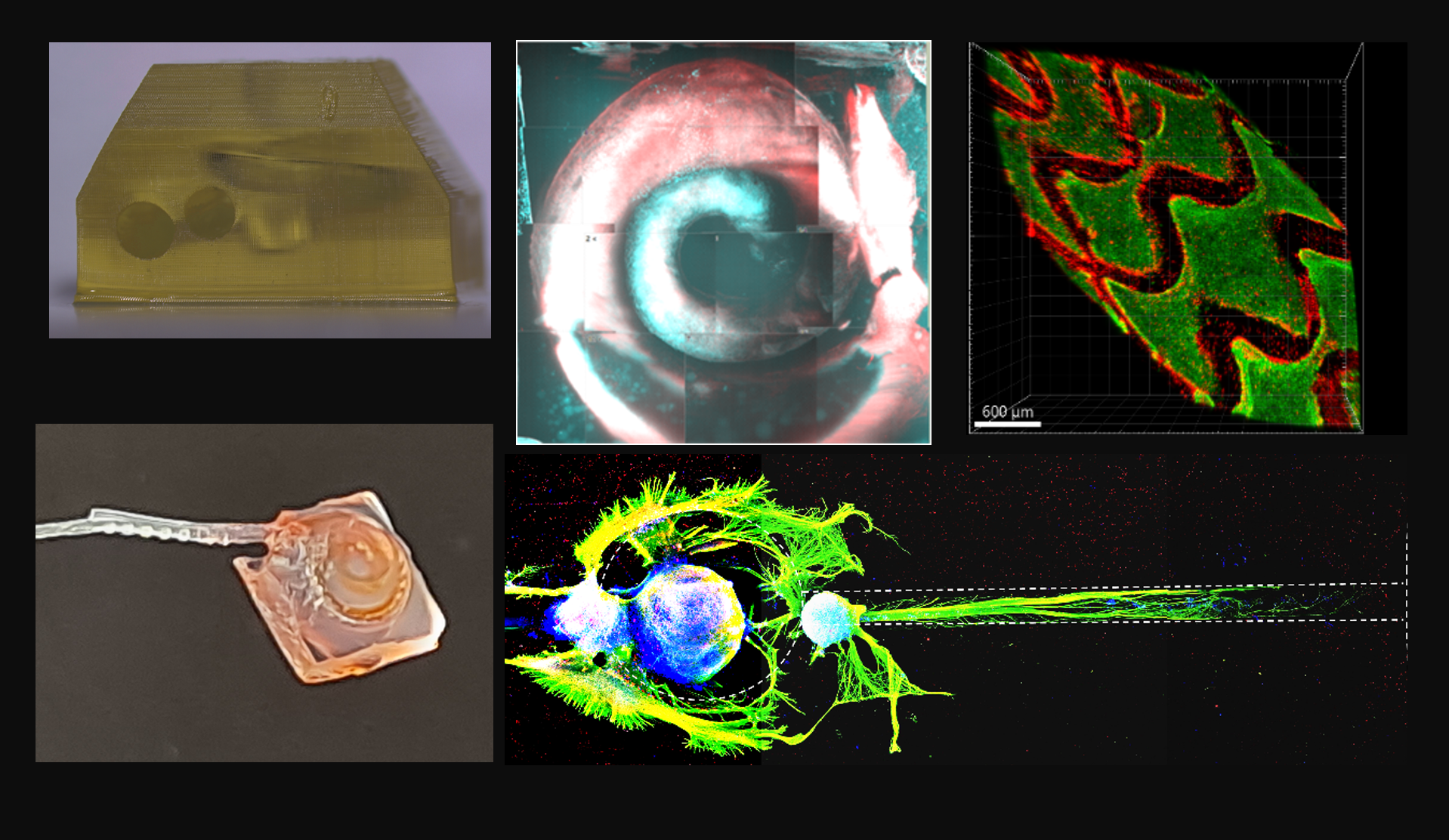
Hydrogel-based human fibrosis models that recreate the host response to implants for preclinical device testing.
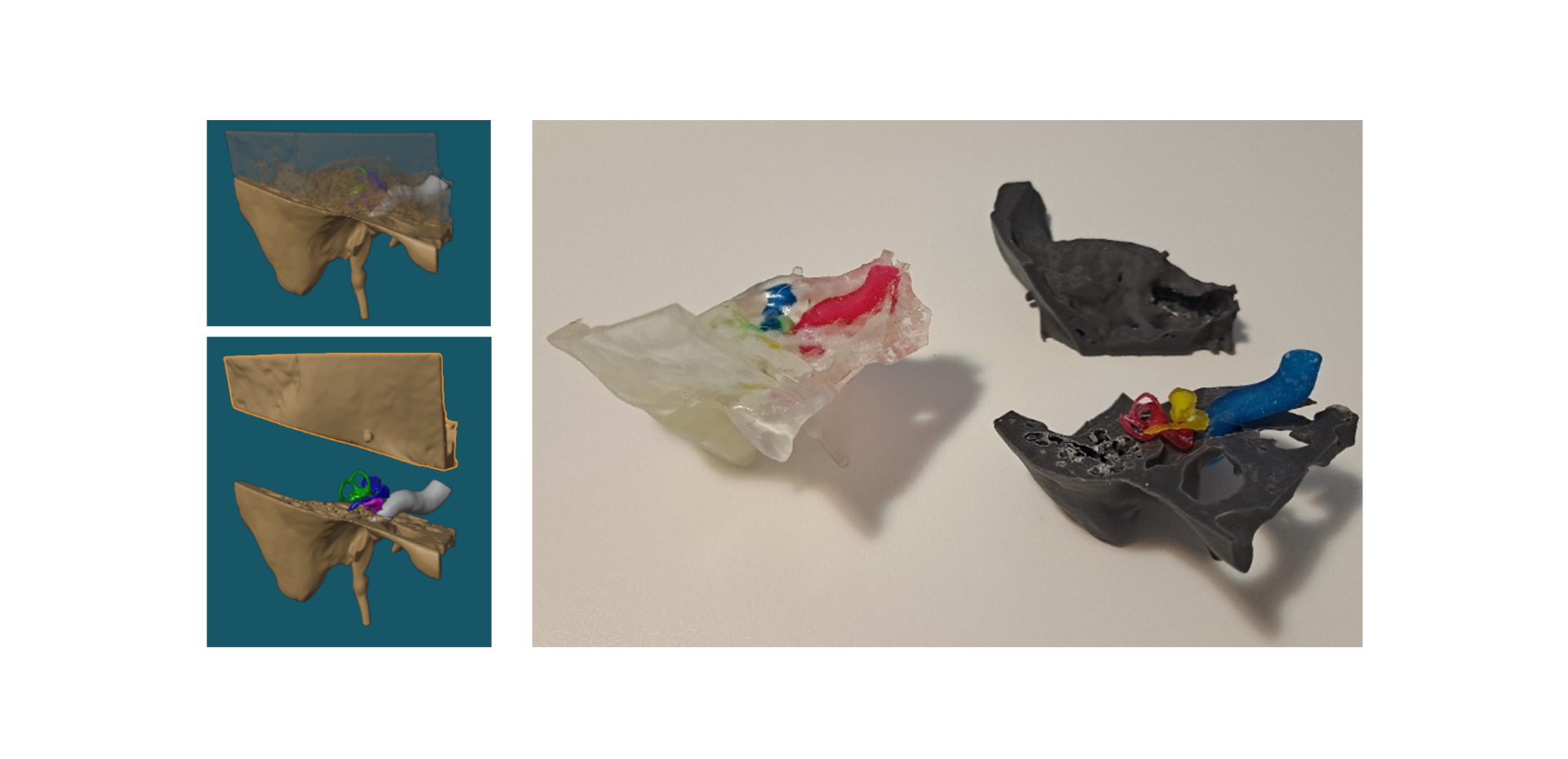
Patient-specific temporal bone phantoms for surgical training and informing electrode design, with UNSW Tyree IHealthE and Sydney Adventist Hospital.
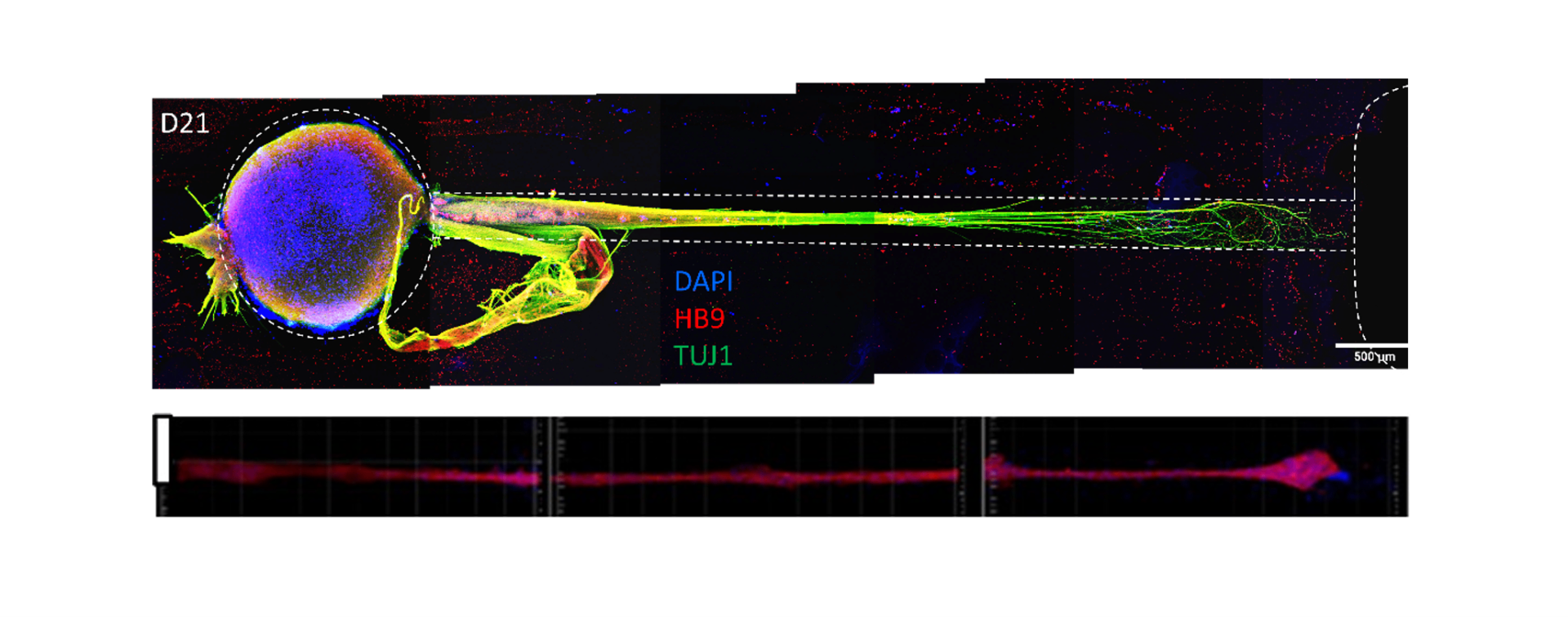
Human in vitro neural models built from hydrogels and stem-cell-derived neurons to improve bionic device evaluation.
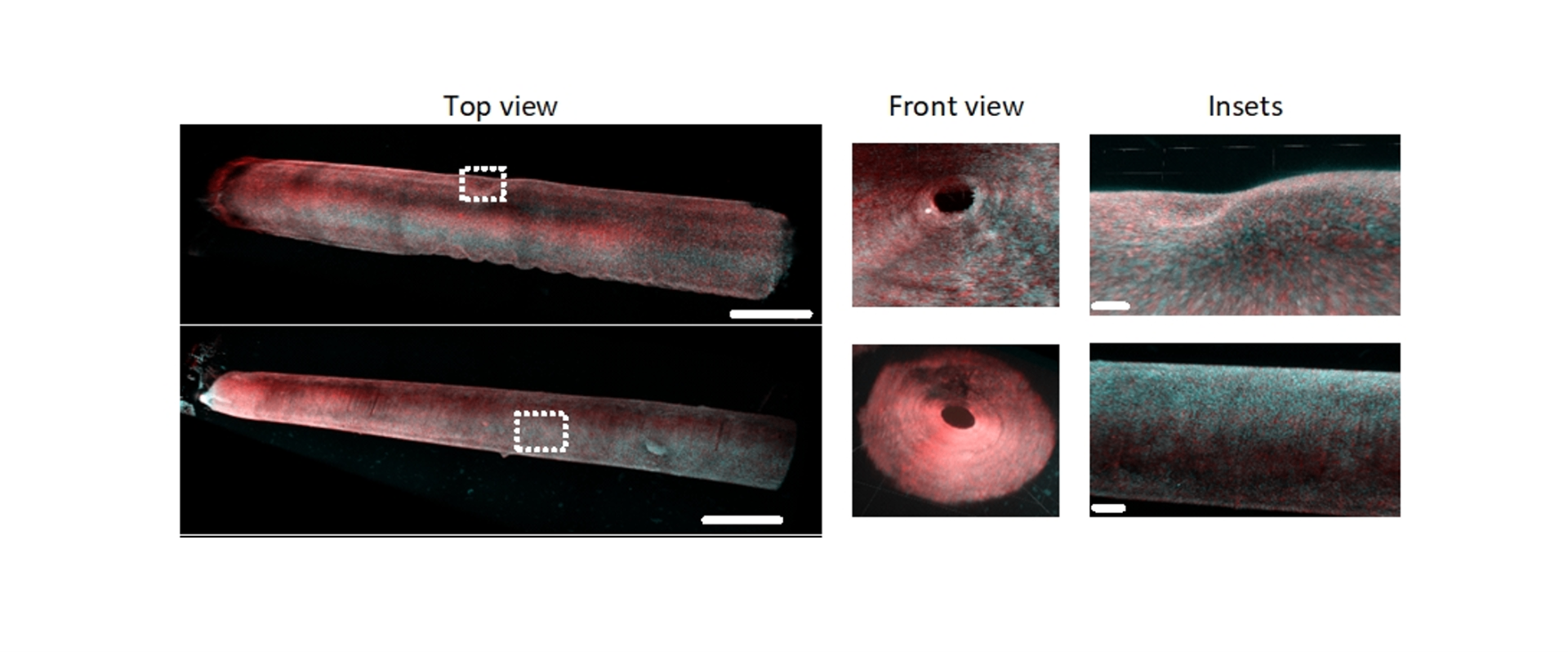
Lab-grown tubular tissues engineered for reproducible cell culture applications.
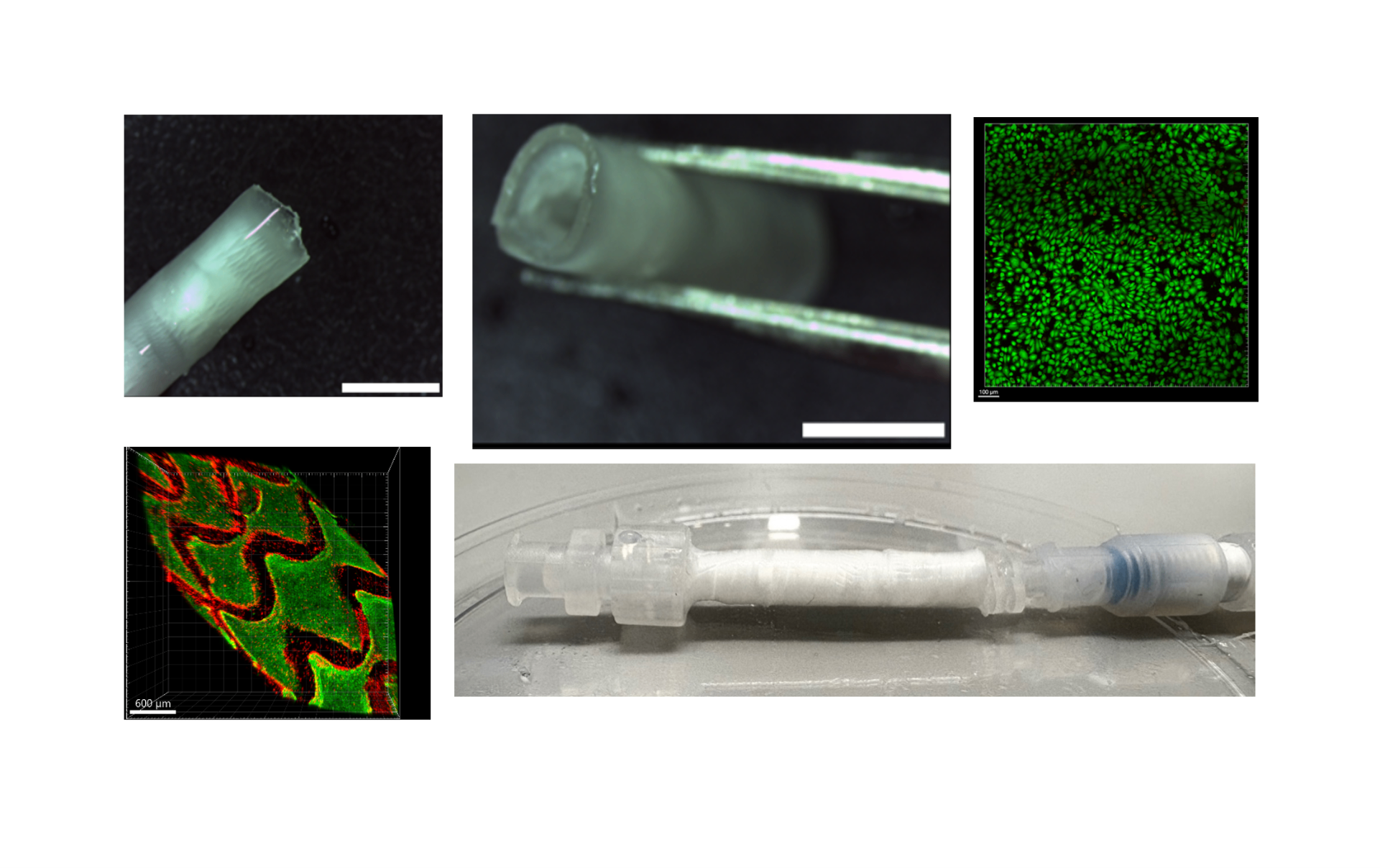
Artery-like constructs developed with the SVMG group for evaluating current and emerging stent technologies.
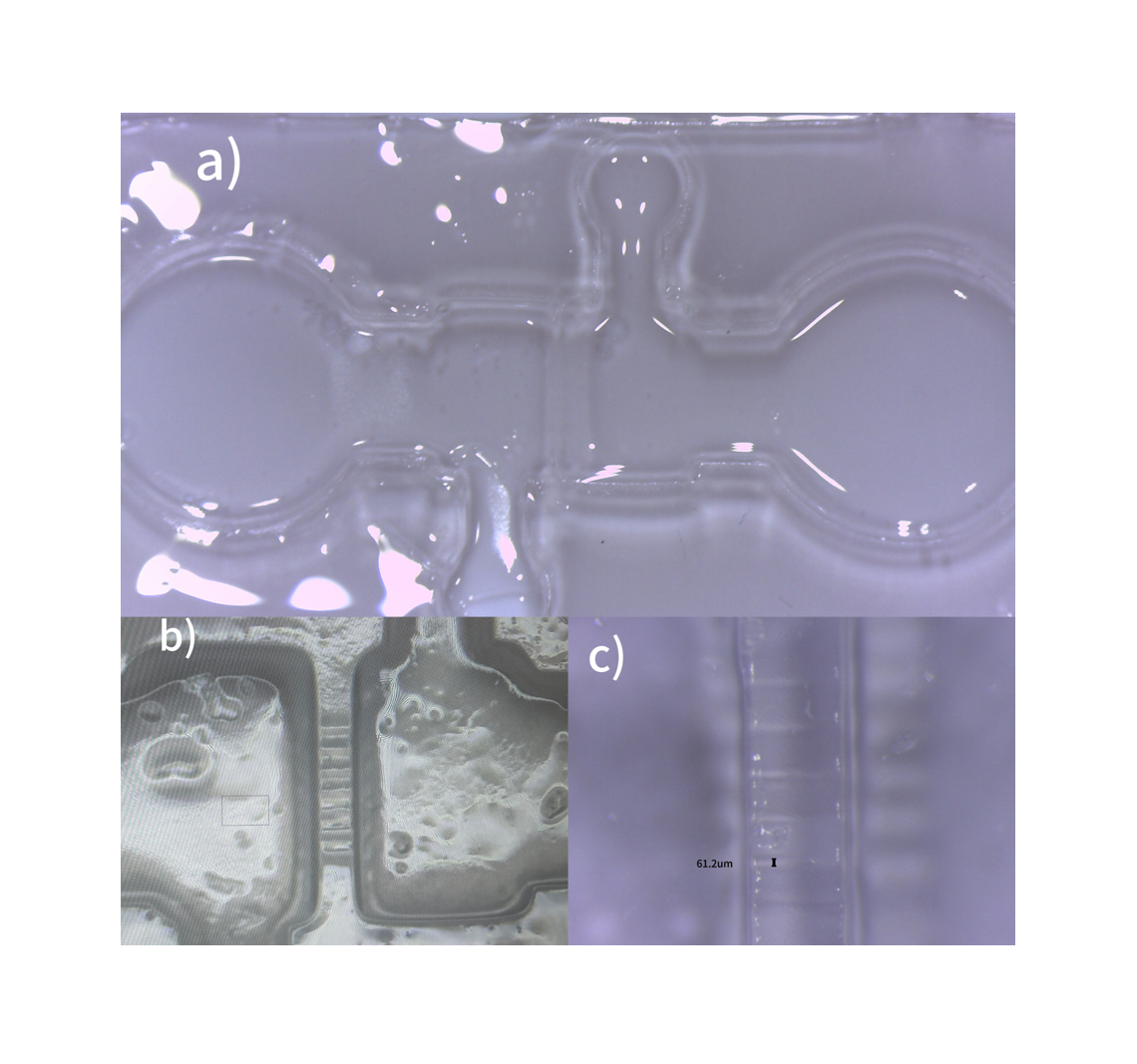
Two-chamber hydrogel microfluidic devices that compartmentalise neurons and glia to study mechanisms of neuropathic pain. With A/Prof. Gila Moalem-Taylor
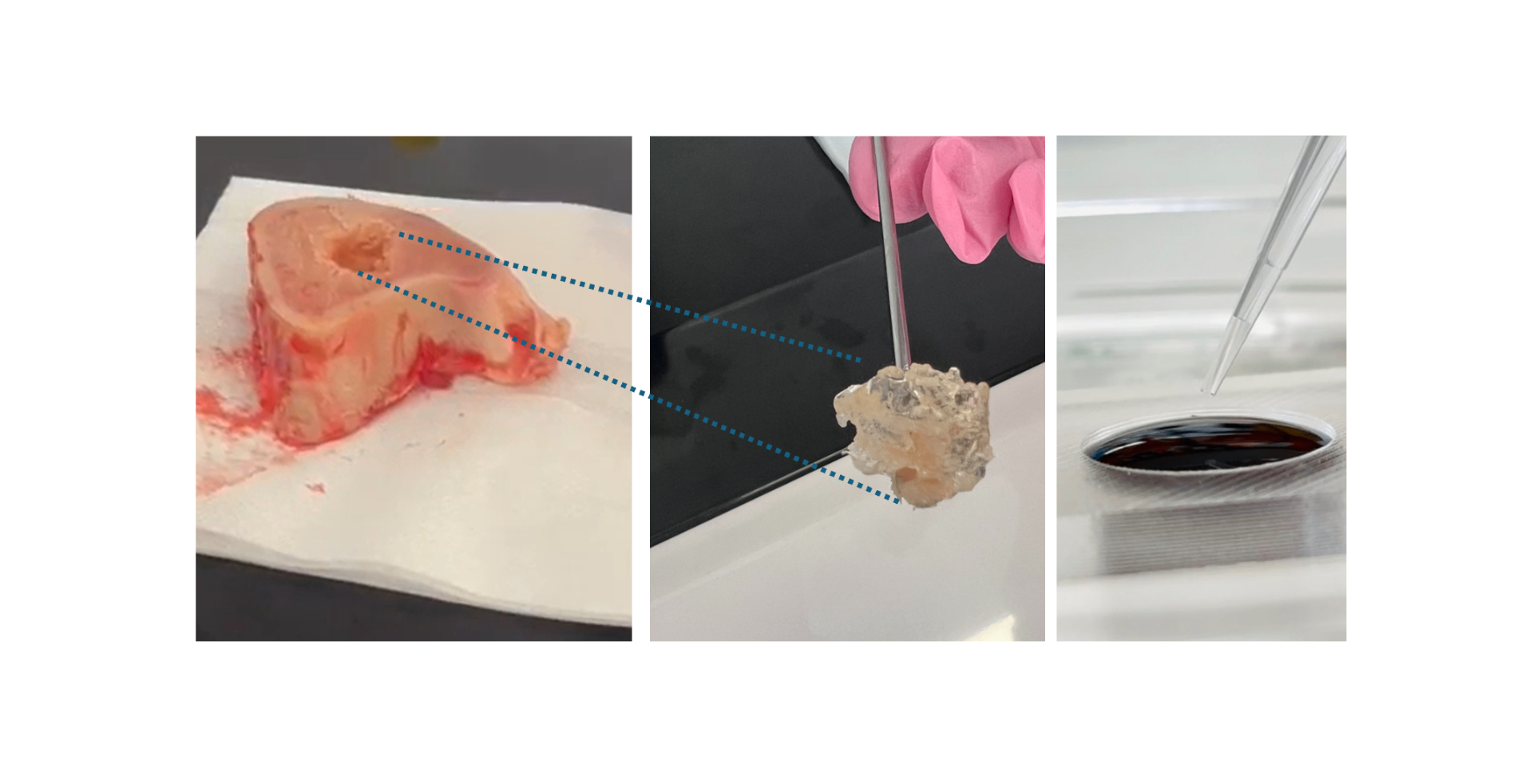
Hydrogel-based adhesives for rapid, practical wound healing, with the University of Sydney (Dr. Dominique Van der Saag), UTS (Prof. Penny Martens), and Meat & Livestock Australia.
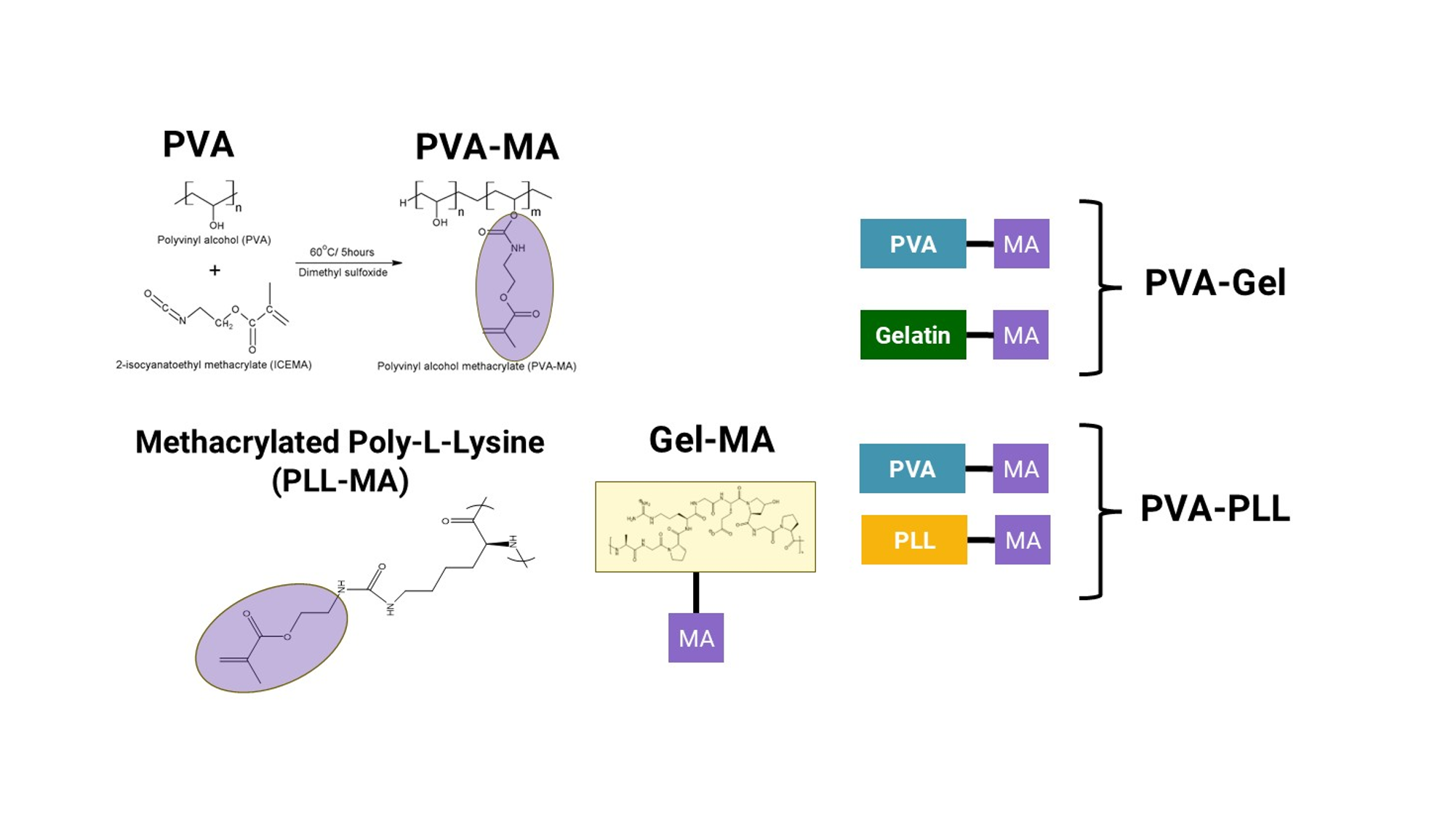
Generating 3D-printing solutions that are stable, robust, and cytocompatible.
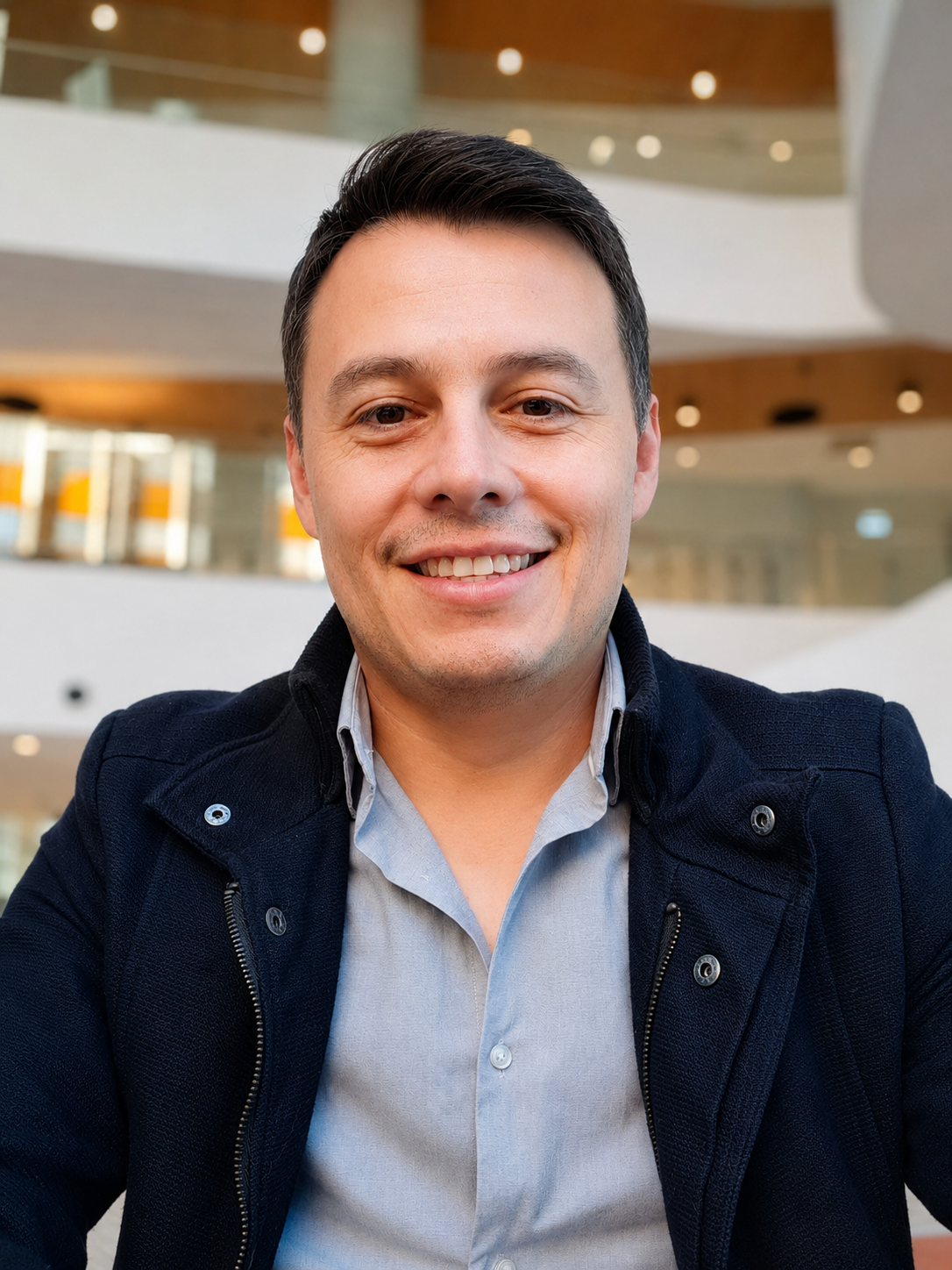
Dr. Aregueta Robles leads the TEN Lab's research at the intersection of tissue engineering, hydrogel biomaterials, and neural prosthetics. His work bridges fundamental biomaterials science with the translational requirements of implantable medical devices, with a particular focus on the cochlear implant and emerging neural stimulators.
Javiera Sanhueza Ortega's work on directional freezing and salting-out gels shows that hybrid polymerisation strategies yield strong, anisotropic PVA-MA hydrogels like coronary arteries.
Yu-Ting (Claire), Bronson, and Tarun join the team to contribute across cardiovascular, fibrosis, and tendon tissue engineering.
A new adhesive hydrogel platform aims to deliver fast, practical wound healing at scale for livestock veterinary medicine.
School of Biomedical Engineering
UNSW Sydney
Samuels Building, Kensington NSW 2052
Australia
We welcome enquiries from prospective PhD and Masters students interested in tissue engineering, hydrogel biomaterials, and neural prosthetics. Please send a CV and a short statement of research interests.
Help us push the boundaries of discovery. Every donation, big or small, contributes significantly to our research efforts, and we are proud to acknowledge all supporters who make this work possible.
Donate via PayPal
Scan to donate